

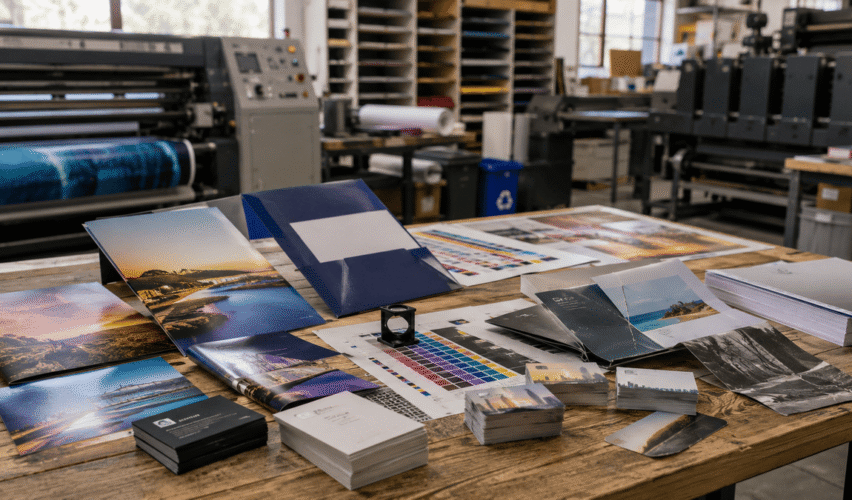
Poor Print Quality? Professional Printing Services Can Save Your Brand
First impressions are hard to undo, especially when they arrive in the form of faded brochures, blurry business cards, or banners that look like they survived three Australian summers before being printed. If you’ve been wondering whether Printing Services can improve your marketing materials and protect your brand image, the answer is yes.
Whether you’re promoting a small business, launching a new product, attending an expo, or refreshing your branding, quality printed materials still play an important role in building trust. This guide explains how professional Printing Services can help you avoid costly mistakes, improve consistency, and make every printed piece represent your business the way it should.
Quick Overview
If you’re short on time, here’s the snapshot:
- Professional Printing Services deliver sharper colours, better finishes, and greater consistency.
- High-quality printing builds trust and strengthens your brand.
- Poor print quality can make even excellent businesses appear unprofessional.
- Professional printers help choose the right materials, finishes, and printing methods.
- Investing in quality printing often saves money by reducing waste and costly reprints.
Want to understand why quality printing matters more than ever? Keep reading.
Why Print Quality Still Matters
Digital marketing dominates many conversations, but printed materials remain one of the few marketing tools people can physically hold.
Think about the last premium restaurant menu, luxury product packaging, or elegant wedding invitation you received. The paper quality, colours, and finish all influenced your perception before you even read the content.
Your printed materials silently communicate the quality of your business.
Poor printing, on the other hand, can unintentionally suggest:
- Lack of attention to detail
- Low product quality
- Outdated branding
- Limited professionalism
Customers may never consciously think these things, but first impressions happen surprisingly fast.
Signs Your Printed Materials May Be Hurting Your Brand
Not every printing problem is obvious until it’s too late.
Some common warning signs include:
- Colours look dull or inconsistent.
- Images appear pixelated.
- Text isn’t perfectly sharp.
- Paper feels flimsy.
- Folded brochures crack along the edges.
- Business cards bend too easily.
- Posters fade quickly after display.
Even minor issues can reduce the overall impact of your marketing.
Did You Know?
People often associate the quality of printed marketing materials with the quality of the business itself. Premium print can increase perceived value without changing the actual product.
How Professional Printing Services Make a Difference
Professional printing involves much more than pressing a print button. Despite what your office printer may confidently believe every time it flashes “Paper Jam” for no apparent reason.
Colour Accuracy
Professional equipment reproduces colours consistently across every print run, helping maintain brand identity.
Better Materials
From premium card stock to weather-resistant banners, choosing the right material makes a noticeable difference in durability and appearance.
Higher Resolution
Professional printers produce crisp text and detailed graphics that remain sharp even under close inspection.
Expert Advice
Experienced print specialists can recommend:
- Paper weight
- Finishes
- Binding options
- Print quantities
- Cost-effective production methods
Sometimes the best saving isn’t printing less, but printing smarter.
Common Printing Projects Businesses Need
Professional Printing Services support businesses across many industries.
Popular products include:
- Business cards
- Flyers
- Brochures
- Presentation folders
- Booklets
- Posters
- Pull-up banners
- Stickers
- Packaging
- Labels
- Restaurant menus
- Event signage
- Wedding invitations
- Promotional products
Each product has unique printing requirements, making professional guidance valuable.
Pro Tip
📦 Always request a printed proof for large orders whenever possible.
What looks perfect on a computer screen may appear different once printed due to colour profiles, paper texture, and finishing methods.
A proof can prevent expensive surprises.
Choosing the Right Printing Method
Different projects require different approaches.
Here’s a simple comparison.
Digital Printing
Best for:
- Small quantities
- Fast turnaround
- Personalised printing
- Short-run marketing materials
Offset Printing
Ideal for:
- Large print runs
- Consistent colour
- High-volume brochures
- Premium catalogues
Large Format Printing
Perfect for:
- Outdoor signage
- Trade show displays
- Window graphics
- Posters
- Banners
Choosing the correct method often reduces costs while improving quality.
A Practical Printing Guide
Imagine you’re preparing for an upcoming business event. You’ve organised the venue, updated your branding, and designed new brochures. Everything seems ready until the printed materials arrive and the colours don’t match your logo.
Common Challenges
- Are your colours different from your brand guidelines?
- Do your brochures feel too thin or flimsy?
- Will your banners remain readable from a distance?
Practical Solutions
Review artwork carefully
Check spelling, image resolution, margins, and bleed settings before approving files.
Choose suitable materials
Premium paper isn’t always necessary, but selecting paper that suits the purpose makes a significant difference.
Discuss finishing options
Lamination, matte coatings, gloss finishes, embossing, and spot UV can elevate the final result.
Allow enough production time
Avoid last-minute printing whenever possible. Rushed deadlines increase the chance of costly errors.
Why It Works
Good preparation helps ensure every printed item reflects your business professionally while reducing unnecessary reprints and wasted materials.
Sustainable Printing Is Becoming More Important
Australian businesses are increasingly looking for environmentally responsible printing options.
Many professional printing providers now offer:
- Recycled paper stocks
- Vegetable-based inks
- FSC-certified paper
- Efficient production methods
- Reduced packaging waste
These options allow businesses to reduce environmental impact without compromising quality.
Interactive Quiz
Is It Time to Upgrade Your Printing?
Give yourself one point for every “Yes.”
Questions
- Is your current printer struggling with colour consistency?
- Have you ever reprinted marketing materials because they didn’t look right?
- Do customers regularly handle your printed materials?
- Are you preparing for exhibitions or trade shows?
- Is your branding important to your business image?
Results
0-1 Yes
Your current printing approach may still suit your needs.
2-3 Yes
Professional Printing Services could improve both quality and efficiency.
4-5 Yes
Your brand would likely benefit from consistent professional printing.
Expert Insight
“People often remember how a brand made them feel long before they remember what it said.”
High-quality printed materials contribute to that experience by reinforcing professionalism, reliability, and attention to detail.
Frequently Asked Questions
Are professional Printing Services worth the extra cost?
Often, yes. Better quality, fewer printing errors, and longer-lasting materials frequently reduce overall costs by avoiding reprints and wasted stock.
Can professional printers help if I don’t have design experience?
Absolutely.
Many printing providers can assist with:
- File preparation
- Layout adjustments
- Colour correction
- Paper recommendations
What file format is best for professional printing?
PDF files are generally preferred because they preserve fonts, layout, and image quality more reliably than editable documents.
How much paper quality really matters?
Quite a lot.
A heavier paper stock often creates a stronger first impression and improves durability, particularly for business cards, brochures, and presentation materials.
Is digital printing suitable for small businesses?
Yes.
Digital printing is ideal for shorter print runs, faster turnaround times, and personalised marketing materials without requiring large minimum orders.
Should I print everything in glossy finishes?
Not necessarily.
Different finishes suit different purposes.
- Gloss: vibrant colours and photography.
- Matte: elegant appearance with reduced glare.
- Soft-touch: premium feel for luxury branding.
Selecting the right finish depends on your audience and marketing goals.
Conclusion
Professional Printing Services do far more than produce attractive brochures or business cards. They help protect your brand reputation, improve customer confidence, and ensure every printed piece reflects the quality of your business. From selecting the right paper and finishes to achieving consistent colours and sharper images, professional printing removes much of the uncertainty from the process. In a competitive Australian market, even small details can influence how customers perceive your business. Investing in quality printing isn’t simply about aesthetics. It’s about creating lasting impressions that support your brand every time someone picks up one of your printed materials.