
Buying a property is one of the biggest financial decisions most Australians will ever make. While it’s easy to fall in love with a modern kitchen, freshly painted walls, or a beautifully landscaped backyard, appearances don’t always tell the full story. Hidden structural issues, moisture damage, or safety concerns can remain unnoticed until after settlement, leaving buyers with unexpected repair bills.
If you’ve been searching for Building Inspection Reports, you’re probably wondering what these reports include, why they matter, and how they can help you make a smarter purchasing decision. The good news is that a professional inspection provides valuable insights into a property’s condition before you commit.
This guide explains everything Australian buyers should know about Building Inspection Reports, what they cover, how to interpret them, and why they’re one of the smartest investments you can make before purchasing a home.
Quick Overview
If you’re short on time, here’s the snapshot:
- Building Inspection Reports identify visible structural and maintenance issues before purchase.
- They help buyers understand repair costs and future maintenance requirements.
- Reports often uncover defects that aren’t obvious during inspections.
- A detailed report can strengthen your negotiation position.
- Professional inspections provide peace of mind before signing a contract.
Want to know exactly what inspectors look for and how to use the report to your advantage? Keep reading!
What Are Building Inspection Reports?
A Building Inspection Report is a professional assessment of a property’s visible condition. It highlights defects, maintenance concerns, safety risks, and structural issues that could affect the property’s value or require future repairs.
Rather than simply saying whether a property is “good” or “bad,” the report provides detailed observations so buyers can make informed decisions.
Typical inspection areas include:
- Foundations
- Roof and gutters
- External walls
- Internal walls and ceilings
- Flooring
- Windows and doors
- Plumbing fixtures
- Visible electrical components
- Garages and outdoor structures
- Drainage around the home
Think of it as a health check for a house. Just like your doctor can’t promise you’ll never catch a cold, a building inspector can’t predict every future problem, but they can identify many existing issues before they become expensive surprises.
Why Building Inspection Reports Matter
Many buyers assume that if a property looks clean and modern, everything must be in good condition.
Unfortunately, cosmetic upgrades can hide much larger issues.
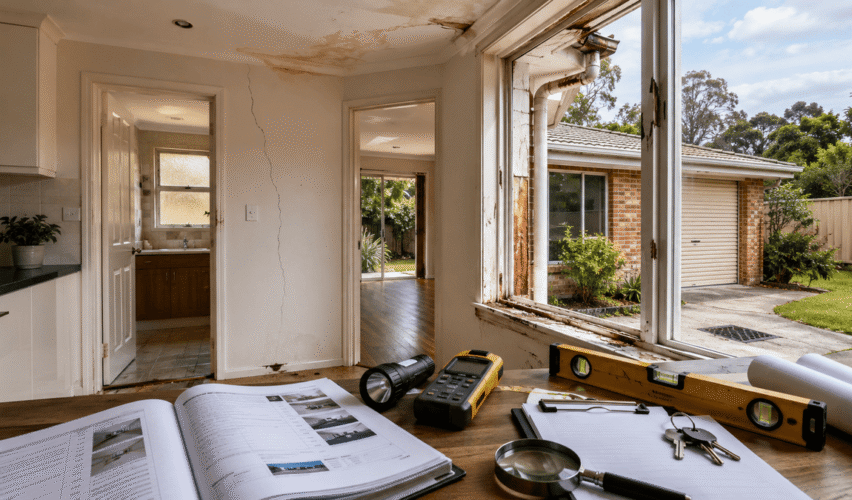
Professional Building Inspection Reports help reveal:
- Structural movement
- Water damage
- Roof leaks
- Timber deterioration
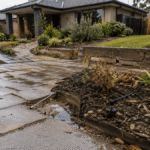
- Poor drainage
- Safety hazards
- Incomplete renovations
- General maintenance concerns
A few hundred dollars spent on an inspection could potentially save thousands in unexpected repairs.
Did You Know?
Fresh paint can improve appearance, but it cannot repair foundation movement, roof leaks, or termite damage. That’s why professional inspections remain important even for renovated homes.
What Doesn’t a Building Inspection Cover?
One common misconception is that Building Inspection Reports cover absolutely everything.
In reality, inspectors generally assess visible and accessible areas only.
Items that may require separate specialist inspections include:
- Pest and termite activity
- Underground plumbing
- Electrical testing
- Asbestos identification
- Swimming pools
- Air conditioning systems
- Boundary surveys
Reading the report carefully helps you understand both its findings and its limitations.
How to Read Building Inspection Reports
Receiving a lengthy report full of technical terms can feel overwhelming at first.
Instead of focusing on every small cosmetic issue, start by looking at the major findings.
Pay particular attention to:
Structural Concerns
Cracks, movement, uneven flooring, or roof problems deserve closer investigation.
Moisture Issues
Water damage often leads to mould, timber decay, and ongoing maintenance costs.
Safety Risks
Loose handrails, damaged stairs, or exposed wiring should be addressed promptly.
Maintenance Items
Not every issue is urgent, but understanding future maintenance helps you budget more accurately.
Common Issues Found During Building Inspections
Some problems appear more frequently than many buyers realise.
These include:
- Cracked brickwork
- Poor drainage
- Roof tile damage
- Rusted gutters
- Moisture around bathrooms
- Rotten timber
- Poor ventilation
- Uneven paving
- Minor settlement cracks
- DIY renovation defects
Some of these are relatively inexpensive to repair, while others may require significant investment.
The report helps distinguish between routine maintenance and more serious concerns.
Quick Guide: Using Building Inspection Reports Before You Buy
Imagine you’ve found your dream home. The location is perfect, the layout suits your family, and everything looks freshly renovated. Before getting emotionally attached, the inspection report arrives.
Common Challenges
- Could those wall cracks be structural?
- Will hidden repairs cost more than expected?
- Should you negotiate or walk away?
How to Solve It
Review Major Defects First
Focus on structural and safety issues before cosmetic concerns.
Request Clarification
Ask the inspector to explain technical findings in plain English.
Estimate Repair Costs
Obtain quotes where significant repairs are recommended.
Use the Report During Negotiation
Serious defects may justify renegotiating the purchase price.
Why It Works
Understanding a property’s condition allows buyers to make confident decisions instead of relying on assumptions. Even when issues are identified, many purchases still proceed with better planning and stronger negotiations.
Pro Tip
Don’t panic over every defect.
Every property, especially older homes, will usually have some imperfections.
The goal isn’t to find a “perfect” house.
It’s to understand:
- what needs immediate attention,
- what can wait,
- and what could become expensive later.
Can Building Inspection Reports Help You Negotiate?
Absolutely.
Many successful property negotiations begin with a detailed inspection report.
Depending on the findings, buyers may choose to:
- request repairs before settlement
- negotiate a lower purchase price
- request additional specialist inspections
- withdraw if major defects are discovered (subject to contract conditions)
The report becomes a valuable decision-making tool rather than simply another document in the buying process.
Mini Quiz: How Inspection-Savvy Are You?
See how many you can answer correctly.
1. Can a freshly renovated home still have hidden structural problems?
- A) No
- B) Yes ✅
2. Do Building Inspection Reports usually inspect hidden areas inside walls?
- A) Yes
- B) No ✅
3. Should minor cosmetic defects automatically stop you buying a property?
- A) Always
- B) Not necessarily ✅
4. Can inspection reports assist with price negotiations?
- A) Yes ✅
- B) Never
Score
- 4 correct: You’re well prepared.
- 2-3 correct: You’re on the right track.
- 0-1 correct: Reading this guide was probably cheaper than learning the hard way.
Frequently Asked Questions
Are Building Inspection Reports required by law?
Not always.
In many Australian property transactions, inspections are optional, but they’re widely recommended because they help buyers understand the property’s condition before purchase.
How long does a building inspection usually take?
Most inspections take between 1.5 and 3 hours, depending on the property’s size, age, and accessibility.
Does a report guarantee there are no problems?
No.
Building inspectors assess visible and accessible areas only. Hidden defects may require specialist investigations.
Should I still get an inspection on a new home?
Yes.
Even newly built homes can have workmanship issues or incomplete finishes. A professional inspection provides an additional level of confidence before settlement.
Can sellers also benefit from Building Inspection Reports?
Yes.
Some sellers obtain inspections before listing their property to identify issues early and reduce surprises during buyer negotiations.
Conclusion
Building Inspection Reports are far more than paperwork. They provide valuable information that helps buyers understand a property’s true condition before making one of life’s biggest investments. While no inspection can uncover every possible issue, a professional report highlights visible defects, identifies maintenance priorities, and supports better decision-making throughout the purchasing process. Whether you’re buying your first home, upgrading, or investing in property, taking the time to review a detailed inspection report can help you avoid costly surprises and negotiate with greater confidence. In the end, informed buyers are better equipped to protect both their finances and their future.