
Planning to Submit a Council Application? Arborist Reports Could Be the Missing Piece
Whether you’re planning to build a new home, extend your property, subdivide land, or remove a tree, there’s a good chance your local council will ask for an Arborist Report. While it may seem like just another document on a growing checklist, it often plays a vital role in determining whether your application moves forward smoothly or faces delays.
If you’ve been searching for Arborist Reports, you’re probably wondering why councils require them, what they include, and how they help protect both your project and the surrounding environment. The good news is that understanding the process isn’t nearly as complicated as it first appears.
This guide explains everything Australian property owners, developers, and builders need to know before lodging a council application, helping you avoid unnecessary setbacks and make informed decisions from the beginning.
Quick Overview
Short on time? Here’s the snapshot.
- Arborist Reports assess the health, condition, and significance of trees.
- Many Australian councils require them before approving developments or tree removal.
- Reports help identify tree protection requirements and potential risks.
- A professional assessment can reduce delays during the approval process.
- Early planning often saves both time and money.
Want to understand exactly what councils expect and how Arborist Reports can help? Keep reading.
What Are Arborist Reports?
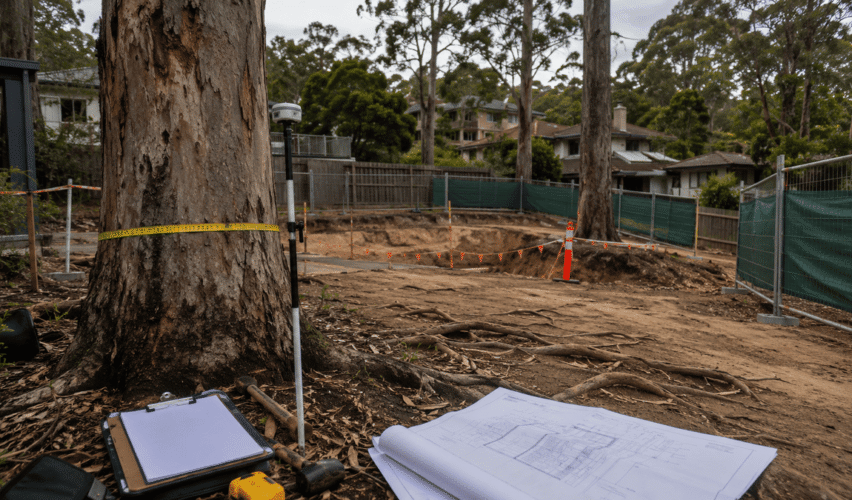
An Arborist Report is a professional assessment prepared by a qualified arborist that evaluates trees on or near a property.
The report typically considers:
- Tree species
- Health and structural condition
- Size and age
- Stability
- Potential hazards
- Environmental value
- Likely impact of proposed construction
- Tree Protection Zones (TPZ)
Rather than simply recommending whether a tree should stay or go, Arborist Reports provide councils with factual information to support planning decisions.
Think of it as a health report for your trees, except the patient can’t explain where it hurts. Nature has always been a little difficult during appointments.
Why Do Councils Request Arborist Reports?
Trees contribute to urban cooling, biodiversity, neighbourhood character, and environmental sustainability. Because of their value, many councils have planning policies that protect significant vegetation.
Councils often request Arborist Reports when:
- Building near established trees
- Removing protected trees
- Developing vacant land
- Constructing driveways or extensions
- Subdividing land
- Installing pools or retaining walls
- Redeveloping commercial sites
The report allows planning officers to balance development needs with environmental protection.
Expert Insight: Many development delays occur not because of the building design itself, but because insufficient information is provided about existing trees.
What Information Does an Arborist Report Usually Include?
Although every project differs, most Arborist Reports contain several core sections.
Property Information
Basic details about the site and proposed works.
Tree Inventory
Each tree is identified and recorded, including:
- Species
- Height
- Trunk diameter
- Canopy spread
- Location
Tree Condition Assessment
The arborist evaluates:
- Health
- Structural integrity
- Pest or disease issues
- Expected lifespan
Development Impact Assessment
This section explains how construction may affect nearby trees.
Recommendations
Depending on the findings, recommendations may include:
- Tree retention
- Tree removal
- Protective fencing
- Root investigations
- Ongoing monitoring
- Construction modifications
Did You Know?
A healthy tree doesn’t automatically mean it must stay, and an unhealthy tree isn’t automatically approved for removal. Councils assess multiple planning factors alongside Arborist Reports.
Why Getting an Arborist Report Early Makes Sense
One of the biggest mistakes property owners make is waiting until the council requests additional documentation.
Preparing Arborist Reports early can:
- Prevent application delays
- Reduce redesign costs
- Improve planning accuracy
- Identify construction constraints before work begins
- Help avoid unexpected tree protection requirements
Early information leads to better decisions.
Common Mistakes That Delay Council Approval
Even well-prepared applications can encounter problems.
Some common issues include:
Waiting Too Long
Leaving the report until after submission often results in requests for additional information.
Using Outdated Reports
Trees change over time due to growth, storms, disease, or construction.
Ignoring Protected Trees
Not every protected tree looks impressive. Some younger or native species may still require protection.
Assuming Private Trees Can Be Removed Freely
Many homeowners are surprised to discover council approval may still be required even when the tree is entirely on private land.
Quick Guide: Preparing for an Arborist Report
Planning a renovation or development? A little preparation can make the assessment smoother and help avoid unnecessary surprises.
Common Challenges
- Are there mature trees close to your proposed building?
- Has the council requested additional tree information?
- Are you unsure whether a tree is protected?
Practical Solutions
Arrange the Assessment Early
Booking before finalising plans helps identify possible design constraints.
Share Accurate Site Plans
Providing current plans allows the arborist to assess impacts more effectively.
Avoid Root Disturbance
Try not to excavate near significant trees before professional advice is obtained.
Ask Questions
Understanding the report helps you respond more confidently during the approval process.
Why It Works
Early planning reduces uncertainty, supports smoother council assessments, and helps avoid costly design changes later.
Interactive Quiz: Do You Probably Need an Arborist Report?
Answer Yes or No.
✅ Are you building within a few metres of mature trees?
✅ Are you planning to remove one or more trees?
✅ Is your property located in an established suburb with large vegetation?
✅ Has your council mentioned tree protection requirements?
✅ Does your construction affect roots or canopies?
Results
0–1 Yes
You may not need an Arborist Report, but it’s worth checking local council requirements.
2–3 Yes
There’s a reasonable chance your project will require professional tree assessment.
4–5 Yes
An Arborist Report is likely to be an important part of your planning documentation.
Survey
Which part of the council application process seems most confusing?
- Tree removal approvals
- Tree Protection Zones
- Understanding Arborist Reports
- Council documentation requirements
- Knowing where to start
Many property owners find that understanding tree requirements early makes the entire planning process much easier.
Benefits of Professional Arborist Reports
Professional assessments provide value beyond satisfying council requirements.
Benefits include:
- Improved planning certainty
- Better protection of valuable trees
- Reduced construction risks
- Clear documentation for decision-makers
- Practical recommendations supported by industry standards
- Greater confidence during development planning
Good planning protects both your investment and the surrounding landscape.
Pro Tip
If you’re working with architects, builders, surveyors, or town planners, involve your arborist early. Coordinated planning usually produces better outcomes than trying to solve tree issues after designs are complete.
Frequently Asked Questions
How long does an Arborist Report remain valid?
There isn’t one universal expiry period.
Many councils prefer relatively recent reports because tree health and site conditions can change over time. If your project has been delayed significantly, an updated assessment may be recommended.
Can Arborist Reports guarantee council approval?
No.
An Arborist Report provides professional evidence, but the final planning decision remains with the relevant council.
Think of it as an important piece of the puzzle rather than the entire picture.
Are Arborist Reports only needed for tree removal?
Not at all.
Many reports relate to protecting existing trees during construction rather than removing them.
Examples include:
- Home extensions
- New dwellings
- Swimming pools
- Driveways
- Commercial developments
What happens if protected trees are damaged during construction?
Consequences can vary depending on local regulations.
Potential outcomes may include:
- Project delays
- Compliance notices
- Additional inspections
- Financial penalties
- Required remediation works
Preventing damage is generally far easier than resolving it later.
Who prepares Arborist Reports?
Qualified consulting arborists with experience in tree assessment, risk evaluation, and planning requirements prepare these reports.
Choosing an experienced professional helps ensure councils receive clear, reliable information.
Conclusion
Council applications involve much more than submitting building plans. Trees are an important part of Australia’s urban environment, and many developments require professional assessment before approval can proceed. Arborist Reports provide the information councils need to balance development with environmental protection while helping property owners identify potential issues early. By arranging an assessment before construction begins, you can minimise delays, improve planning decisions, and move through the approval process with greater confidence. Whether you’re building, renovating, subdividing, or simply exploring your options, understanding Arborist Reports is a smart first step toward a smoother and more successful project.