

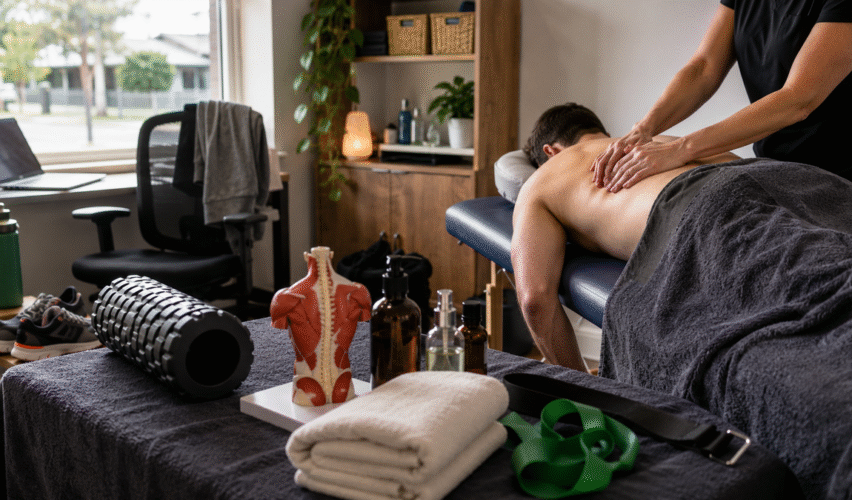
Muscle soreness after a workout is one thing. Living with ongoing aches, stiffness, or limited movement is another. Many Australians put up with these issues, assuming they’ll disappear on their own. Unfortunately, pain has a habit of overstaying its welcome when it’s ignored.
If you’ve been wondering, “Do I need a Remedial Massage?”, you’re not alone. Knowing when discomfort has crossed the line from temporary soreness to a problem worth addressing can make a significant difference to your health and wellbeing.
This guide explores seven common signs that suggest it may be time to consider Remedial Massage, how it works, and why early treatment can help you recover more comfortably and move with greater confidence.
Quick Overview
If you’re short on time, here’s what you need to know:
- Persistent muscle pain isn’t something you should simply “get used to.”
- Remedial Massage targets tight muscles, soft tissue dysfunction, and movement restrictions.
- Early treatment may help reduce discomfort before it becomes a larger issue.
- Office workers, athletes, tradies, parents, and anyone with physically demanding lifestyles can benefit.
- Small aches often become bigger problems when ignored.
Want to dive deeper? Keep reading to discover whether your body is trying to tell you something important.
Why Ignoring Pain Isn’t Always the Best Plan
Pain is your body’s way of waving a rather persistent little flag that says, “Something needs attention.”
While occasional soreness is perfectly normal, ongoing muscle tightness, reduced flexibility, or recurring discomfort may indicate that your muscles and connective tissues need professional care.
The earlier these issues are addressed, the easier they are often to manage.
Expert Insight: Pain isn’t always caused by the spot that hurts. Tight muscles elsewhere in the body can create tension patterns that affect surrounding joints and tissues.
1. Your Muscles Feel Tight Every Day
Do you wake up feeling stiff?
Do your shoulders feel permanently tense after work?
If stretching only provides temporary relief, muscle tension may have developed into deeper soft tissue restriction.
Remedial Massage focuses on identifying these tight areas and using targeted techniques to help release tension and improve mobility.
Common examples include:
- Tight neck muscles
- Stiff shoulders
- Tight hips
- Restricted lower back
- Sore calves after walking
2. Pain Keeps Coming Back
One of the clearest signs you may benefit from Remedial Massage is recurring pain.
You may notice:
- Neck pain every Monday after sitting at your desk
- Lower back discomfort after gardening
- Shoulder pain that returns after sleeping
- Tight hamstrings after every run
Temporary relief is helpful, but recurring pain often suggests the underlying muscle imbalance hasn’t been addressed.
Treating the cause instead of simply waiting it out can support longer-term improvement.
Did You Know?
Many people assume massage is only for relaxation.
Remedial Massage is quite different. It is designed to assess and treat specific muscular problems using targeted techniques aimed at improving function and reducing discomfort.
3. You’re Recovering Slowly After Exercise
Exercise is good.
Feeling sore for an entire week afterwards? Less impressive.
Whether you enjoy:
- Running
- Gym workouts
- Cycling
- Football
- Weekend hiking
your muscles need time to recover.
Remedial Massage may assist by:
- Improving circulation
- Reducing muscle tightness
- Supporting flexibility
- Encouraging healthy recovery between training sessions
Many active Australians include massage as part of their regular recovery routine rather than waiting until something hurts.
4. Your Desk Job Is Winning
Modern offices are remarkably efficient at one thing…
Creating tight shoulders.
Hours spent sitting can contribute to:
- Forward head posture
- Tight chest muscles
- Rounded shoulders
- Lower back discomfort
- Hip stiffness
Even the fanciest ergonomic chair can’t convince your muscles that sitting still for eight hours is an exciting lifestyle.
Regular movement combined with Remedial Massage can help reduce accumulated tension and improve overall comfort.
5. Your Range of Motion Has Decreased
Have you noticed that everyday movements feel harder?
Perhaps you struggle to:
- Turn your head fully
- Bend comfortably
- Reach overhead
- Twist while driving
- Squat without stiffness
Restricted movement often develops gradually, making it easy to overlook until simple tasks become frustrating.
Improving muscle flexibility can often improve overall movement quality.
6. You’re Getting Frequent Headaches
Not every headache begins in your head.
Tight muscles around the:
- Neck
- Upper back
- Shoulders
can contribute to tension headaches in some individuals.
If headaches regularly appear after work or long periods of sitting, muscle tension could be one contributing factor worth investigating.
A qualified Remedial Massage therapist can assess muscular tightness that may be affecting surrounding structures.
7. Small Injuries Never Quite Heal
Have you ever thought:
“It’s been sore for months, but I can still work.”
Many Australians simply adapt around discomfort instead of addressing it.
Lingering soft tissue issues may affect movement patterns, causing other muscles to work harder to compensate.
Ignoring these minor problems may increase the likelihood of developing additional muscle strain elsewhere.
Looking after small problems early is often easier than dealing with bigger ones later.
A Quick Guide to Managing Persistent Muscle Pain
Many people experience recurring muscle discomfort without knowing what steps to take next. A few simple changes, combined with professional care where appropriate, can make daily movement much more comfortable.
Common Challenges
- Does your neck tighten after every workday?
- Are you stretching constantly without lasting relief?
- Do certain movements always trigger the same pain?
Practical Ways to Improve Recovery
Listen to your body
Persistent pain deserves attention rather than being ignored.
Stay active
Gentle movement usually helps muscles more than complete rest.
Improve your workstation
Small ergonomic adjustments can reduce unnecessary strain.
Consider professional assessment
A qualified Remedial Massage therapist can identify muscle imbalances and recommend appropriate treatment.
Why It Works
Addressing muscle tightness before it becomes chronic helps restore normal movement, improve comfort, and support long-term physical wellbeing.
If persistent muscle pain is affecting your daily life, seeking professional advice is a sensible next step.
Quick Self-Check Quiz
How many of these apply to you?
☐ My muscles feel tight most days.
☐ I experience recurring neck or back pain.
☐ Sitting at work leaves me stiff.
☐ Exercise soreness lasts longer than expected.
☐ My flexibility has decreased.
☐ I often get tension headaches.
☐ I’ve been ignoring the same pain for months.
Your Score
0-2 boxes
Your muscles may simply need regular movement and stretching.
3-5 boxes
It could be worth discussing your symptoms with a qualified Remedial Massage therapist.
6-7 boxes
Your body may be asking for attention instead of another “I’ll deal with it next week.”
Quick Poll
Which area gives you the most trouble?
- Neck
- Shoulders
- Lower back
- Hips
- Legs
- Everywhere (it’s been one of those weeks)
Frequently Asked Questions
Is Remedial Massage painful?
Not necessarily.
Some techniques involve deeper pressure, but treatment should always remain within your comfort level. Communication with your therapist is important throughout the session.
How often should I have a Remedial Massage?
It depends on your goals.
Some people attend:
- Monthly maintenance sessions
- Recovery appointments after sport
- Short-term treatment for specific issues
Your therapist can recommend a schedule based on your condition.
Can office workers benefit from Remedial Massage?
Absolutely.
Long periods of sitting often contribute to muscle tightness, poor posture, and reduced flexibility. Regular treatment may help manage these issues alongside workplace ergonomics.
Is Remedial Massage only for athletes?
Not at all.
People who commonly benefit include:
- Office workers
- Tradies
- Parents
- Gardeners
- Drivers
- Retirees
- Anyone experiencing muscular discomfort
Should I wait until the pain becomes severe?
Generally, no.
Early intervention is often more effective than waiting until discomfort becomes difficult to manage.
Can Remedial Massage improve flexibility?
Many people notice improved movement following treatment because tight muscles become more relaxed and mobile.
Results vary depending on the underlying cause and individual circumstances.
Conclusion
Ignoring persistent aches and muscle tightness may seem harmless today, but small problems often become larger ones over time. Whether your discomfort comes from long hours at a desk, regular exercise, physical work, or everyday life, Remedial Massage offers a targeted approach to addressing muscular tension and improving movement. Paying attention to your body’s warning signs can help you stay active, comfortable, and better prepared for the demands of daily life. Rather than accepting pain as “normal,” consider it an opportunity to take positive steps towards better musculoskeletal health and long-term wellbeing.