

You don’t need to be an engineer to understand how buildings stay standing — but knowing the basics of structural engineering in Australia can help you make better decisions when building, renovating, or buying property.
Structural engineering is about safety, stability, and longevity. It ensures buildings can handle weight, weather, movement, and time without failing.
This guide explains structural engineering basics in Australia in simple language — no equations, no jargon — just the fundamentals every non-engineer should understand in 2026.
Quick Overview (Snapshot Summary)
- Structural engineering keeps buildings safe and stable
- Engineers design systems to handle loads, movement, and weather
- Foundations, frames, and materials work together
- Australian buildings must meet strict safety standards
- Understanding the basics helps avoid costly mistakes
If you’ve ever wondered “how does this building not fall over?”, keep reading.
What Is Structural Engineering? (Plain English)
Structural engineering focuses on how a building stands up and stays standing.
Structural engineers design and assess:
- Foundations
- Columns and beams
- Walls and floors
- Roof structures
- Load-bearing systems
Their job is to ensure a building can safely resist:
- Gravity (weight)
- Wind
- Earth movement
- Occupant use
- Long-term wear
In Australia, structural engineering plays a critical role due to extreme weather, varied soil conditions, and strict building codes.
Why Structural Engineering Matters in Australia
Australia presents unique challenges:
- Reactive clay soils
- Cyclones and strong winds
- Bushfire-prone areas
- Coastal corrosion
- Earthquake considerations (low, but still relevant)
Structural engineers design buildings to suit local conditions, not just general principles.
The Australian Building Codes Board (ABCB) sets minimum safety requirements through the National Construction Code (NCC).
Source: https://www.abcb.gov.au
The 5 Core Elements of Structural Engineering
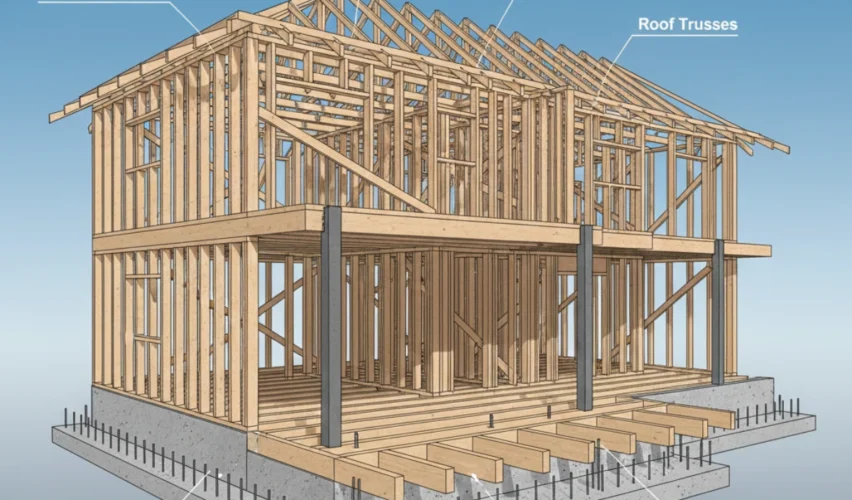
1. Foundations
Foundations transfer the building’s weight into the ground.
Common Australian types:
- Concrete slabs
- Strip footings
- Piers and piles
Soil testing is essential because different soils behave differently.
2. Structural Frame
The frame is the building’s skeleton.
It typically includes:
- Columns (vertical support)
- Beams (horizontal support)
- Load-bearing walls
Frames distribute loads evenly and prevent collapse.
3. Loads (Forces Acting on Buildings)
Structural engineers design for different loads:
- Dead loads: Permanent weight (concrete, walls, roof)
- Live loads: People, furniture, vehicles
- Environmental loads: Wind, rain, seismic movement
Engineers calculate how these forces move through the structure.
4. Materials
Common structural materials in Australia include:
- Concrete
- Steel
- Timber (including engineered timber)
- Masonry
Each material behaves differently under load, heat, and moisture.
The CSIRO conducts research on building materials and structural performance.
Source: https://www.csiro.au
5. Safety Factors
Engineers don’t design structures to just work — they design them to exceed minimum loads.
This margin is called a safety factor, and it protects against:
- Unexpected stress
- Material imperfections
- Extreme weather events
What Structural Engineers Actually Do
Structural engineers are involved in:
- Designing new buildings
- Assessing renovations and extensions
- Inspecting structural damage
- Certifying compliance with codes
- Solving structural failures
According to Engineers Australia, structural engineers are legally responsible for ensuring public safety in the built environment.
Source: https://www.engineersaustralia.org.au
Structural Engineering vs Architecture (Simple Difference)
- Architects: Focus on layout, aesthetics, and functionality
- Structural engineers: Focus on strength, safety, and physics
Both must work together for a successful building.
When Do You Need a Structural Engineer?
You typically need one if you are:
- Building a new home or commercial property
- Removing or altering load-bearing walls
- Adding a second storey
- Fixing cracks, subsidence, or structural damage
- Constructing decks, carports, or retaining walls
Skipping engineering advice can lead to expensive rectification or safety risks.
Quick Guide: How Structural Safety Is Assessed
Common warning signs
- Large or widening cracks
- Uneven floors
- Doors and windows sticking
- Visible sagging or movement
What happens next
- Site inspection
- Review of plans and conditions
- Structural assessment
- Engineering recommendations
Why this works
Early assessment prevents long-term damage and costly repairs.
FAQs — Structural Engineering Basics Australia
Is structural engineering required by law?
Yes. Many building works require engineering certification under Australian regulations.
Are Australian buildings over-engineered?
No. They are designed to meet safety standards with appropriate margins.
Can builders design structures without engineers?
Only for very limited, low-risk works. Most structural elements require engineering input.
How long should a properly engineered building last?
Decades — often 50–100 years or more with maintenance.
Conclusion
Structural engineering is the unseen foundation of safe buildings across Australia. While most people never notice beams, loads, or foundations, these elements quietly protect lives every day. Understanding the basics helps non-engineers make informed decisions when building, renovating, or buying property. In 2026, with stricter codes, climate challenges, and higher construction costs, good structural design matters more than ever. By respecting engineering principles and seeking professional advice when needed, Australians can ensure their buildings remain strong, stable, and safe for generations to come.
Disclaimer
This article is for general informational purposes only and does not replace professional engineering advice. Always consult a qualified, registered Australian structural engineer for assessments, designs, or certifications.


