

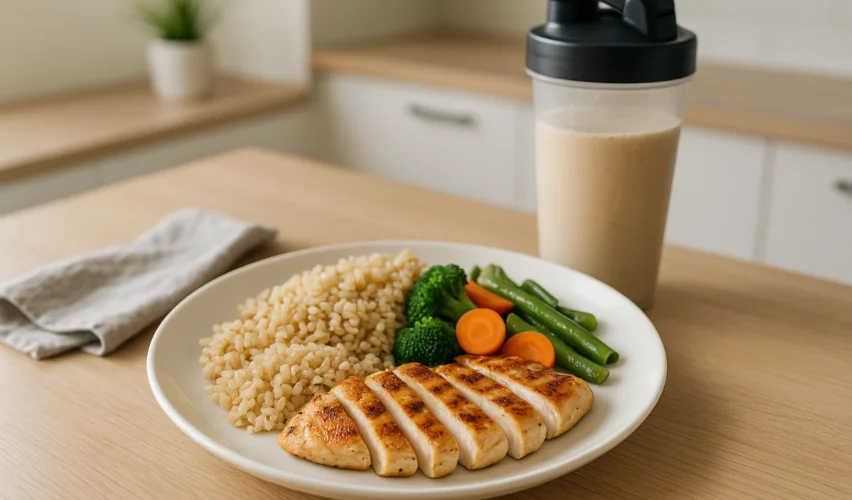
Finishing a workout feels great — until the fatigue kicks in an hour later and your body starts begging for fuel. What you eat after training determines how effectively your body recovers, rebuilds and adapts. Whether you’re lifting weights, running, cycling, swimming or doing HIIT classes, understanding post-workout nutrition is essential for muscle repair, energy replenishment and long-term performance.
This guide breaks down exactly what Australians should eat after training, using evidence-backed recommendations from Sports Dietitians Australia, the Australian Institute of Sport (AIS) and HealthDirect. You’ll learn the best foods, best timing, and best strategies to refuel like an athlete — even if you’re training before work, during lunch or after dinner.
Quick Overview (Snapshot Summary)
Best foods for post-workout nutrition in Australia include:
- Lean protein (for muscle repair)
- Carbohydrates (for glycogen replenishment)
- Healthy fats (support long-term recovery)
- Hydration + electrolytes (especially in hot climates)
Key timing: Ideally within 45–90 minutes post-training
(Source: Sports Dietitians Australia – https://www.sportsdietitians.com.au)
Ideal post-workout meals:
- Chicken + rice bowl
- Greek yoghurt + berries
- Protein smoothie
- Eggs + sourdough
- Tuna with brown rice
- Chocolate milk (yes, really — more below)
Want the full science + practical guide? Keep reading.
1. Why Post-Workout Nutrition Matters
According to the Australian Institute of Sport (AIS), post-exercise nutrition plays three critical roles:
- Replenish energy stores (glycogen)
- Repair muscle tissue
- Rehydrate the body
Source: AIS Performance Nutrition – https://www.ais.gov.au/nutrition
If you skip or delay your post-workout meal, your recovery slows, your fatigue increases, and your next workout suffers.
2. What Your Body Needs After Exercise
2.1 Protein — For Muscle Repair & Growth
After training, your muscles experience micro-damage (good damage) and need amino acids to repair.
Evidence:
Sports Dietitians Australia recommends 20–40g of protein post-workout, depending on body size and training intensity.
Source: https://www.sportsdietitians.com.au/factsheets
Best Australian protein sources:
- Eggs
- Chicken breast
- Greek yoghurt
- Cottage cheese
- Lean beef
- Tuna or salmon
- Whey or plant protein powders
- Tofu or legumes
2.2 Carbohydrates — To Refill Glycogen Stores
Carbs provide energy. After exercise, your body is primed to store carbs as glycogen more efficiently.
Evidence:
AIS recommends 1g of carbs per kg of body weight for moderate exercise; more for heavy or endurance training.
Source: AIS Carbohydrates – https://www.ais.gov.au/nutrition/factsheets
Great Aussie carb choices:
- Brown rice
- Pasta
- Potatoes / sweet potatoes
- Wholegrain bread
- Oats
- Fruit (bananas, mangoes, berries)
- Rice cakes
2.3 Fats — Support Recovery (In Moderation)
Healthy fats help with:
- Hormone regulation
- Reducing inflammation
- Improving nutrient absorption
Great sources:
- Avocado
- Olive oil
- Nuts
- Seeds
- Salmon
2.4 Hydration + Electrolytes
Training in Australia’s heat increases sweat loss.
Evidence:
HealthDirect recommends rehydrating with water and electrolytes after intense physical activity.
Source: https://www.healthdirect.gov.au/dehydration
Electrolytes matter if you’ve done:
- Heavy sweating
- Long endurance sessions
- Hot-weather training
Add:
- Coconut water
- Electrolyte tablets
- Sports drinks
- DIY hydralyte mix
3. The Best Post-Workout Foods in Australia
3.1 Quick Options (5–10 minutes)
- Protein shake + banana
- Greek yoghurt + honey + berries
- Protein bar (low-sugar)
- Chocolate milk
- Backed by research as a balanced carb/protein recovery drink
- Source: Dairy Australia – https://www.dairyaustralia.com.au
3.2 Balanced Meal Options (30–60 minutes)
These provide the perfect mix of protein + carbs + healthy fats.
Chicken & brown rice bowl
With veggies + olive oil
→ Great for muscle repair and energy replenishment
Lean beef stir-fry
With noodles, veggies, and sesame oil
Tuna sandwich on wholegrain
Fast, budget-friendly, nutrient dense
Eggs on sourdough
Simple, protein-rich, easy to digest
Tofu salad with quinoa
Perfect plant-based post-workout meal
3.3 Plant-Based Post-Workout Options
- Lentil soup + sourdough
- Hummus + wholegrain crackers
- Tofu stir-fry
- Smoothie with pea protein, oats, berries, almond butter
Pro Tip Box
Pro Tip: If you’re short on time after training, pack a recovery snack in your bag.
Your muscles respond best when you fuel them early.
4. Post-Workout Nutrition for Weight Loss vs. Muscle Gain
4.1 If your goal is weight loss:
- Focus on lean protein + moderate carbs
- Avoid high-fat heavy meals immediately after workouts
- Great options:
- Protein shakes
- Tuna + salad
- Chicken + vegetables
- Eggs + greens
4.2 If your goal is muscle gain:
- Increase protein to 25–40g
- Add carb-rich meals
- Include healthy fats to support hormones
- Great options:
- Steak + potatoes
- Pasta + chicken
- Smoothie with oats + protein + nut butter
5. Post-Workout Meal Timing (The 45–90 Minute Window)
What does the science say?
Sports Dietitians Australia recommends eating within two hours, but athletes benefit most from the 45–90 minute window.
Source: https://www.sportsdietitians.com.au/factsheets
Eating during this “recovery window” helps you:
- Reduce muscle soreness
- Build more muscle
- Restore energy faster
- Feel better at your next workout
Did You Know?
Chocolate milk has one of the best carb-to-protein ratios for recovery
(Backed by AIS & multiple sports nutrition studies).
Bananas replenish potassium, essential for muscle function.
Your body absorbs protein better when paired with carbs.
6. Quick Guide: Fast Post-Workout Meals for Busy Aussies
Intro
You’re juggling work, school runs, gym, or life in general. You don’t have time to cook a full meal after training.
Common Challenges
- “I finish training at 6am — I need something quick.”
- “I don’t want to cook after evening workouts.”
- “I get hungry fast after the gym.”
Practical Solutions
1. Prep a grab-and-go snack
Cook eggs ahead, make overnight oats, portion nuts, or prepare yoghurt cups.
2. Keep protein powder in your gym bag
Add water + banana → fast refuel.
3. Batch cook one meal per week
E.g., chicken breast, rice, roast veggies — assemble after training.
4. Choose whole foods but keep it simple
Your body doesn’t need gourmet meals — it needs nutrients.
Why It Works
Consistency wins. Fuel your body regularly and performance improves naturally.
7. Interactive Quiz: How Good Is Your Post-Workout Nutrition?
1. After training, I usually:
A. Eat within 45 minutes
B. Eat within 2 hours
C. Forget to eat or eat whatever’s available
2. My typical post-workout choice:
A. Protein + carbs
B. Only carbs or only protein
C. Coffee
3. Hydration after workouts:
A. Water + electrolytes when needed
B. Just water
C. I forget
Results:
- Mostly A → You’re recovery-smart
- Mostly B → You’re halfway there
- Mostly C → Time for a post-workout glow-up
8. FAQs
Q1: How much protein do I need after a workout?
20–40g depending on size and training intensity (Sports Dietitians Australia).
Q2: Do I need supplements?
Not required — but protein powder is convenient.
Q3: Is fruit enough post-workout?
Fruit is great with protein, but not enough alone.
Q4: Should I avoid fats after workout?
No — fats are fine in moderation.
Q5: What if I train late at night?
Eat a light meal: yoghurt + fruit, smoothie, eggs + toast.
Conclusion (100 Words)
Post-workout nutrition shapes how well your body repairs, rebuilds and performs. By combining high-quality protein, replenishing carbohydrates and smart hydration, you give your muscles exactly what they need to recover. Whether you’re training for strength, endurance, weight loss or general fitness, consistency is key. With the right approach and simple Australian-friendly meals, you can improve recovery, reduce soreness and maximise your training results. Use this guide as your roadmap and fuel your body with purpose — your future workouts will thank you.
Disclaimer
This article provides general advice only. Consult a GP, accredited sports dietitian or health professional for nutrition guidance tailored to your personal needs.